The Duty of Energy Testing in Accomplishing an Airtight Option for Your Property
Power testing is vital for homeowner looking for to develop an impermeable environment. It determines air leakages and ineffectiveness that can endanger energy performance. Usual wrongdoers consist of voids around doors and home windows. Utilizing techniques like blower door tests and thermal imaging, property owners can obtain understandings right into their property's susceptabilities (energy testing). Understanding these findings is important. What actions should be taken once air leaks are recognized? The responses hold the secret to boosted convenience and savings
Understanding Energy Screening and Its Relevance
Energy screening plays an essential function in reviewing the airtightness of frameworks and structures. By determining air leakage, this method supplies essential insights right into a property's power effectiveness, thermal convenience, and general efficiency. Airtight structures decrease power usage, making sure that heating and air conditioning systems operate successfully. This testing process normally includes techniques such as blower door examinations, which create a regulated setting to recognize unintended air pathways.Understanding the value of power testing prolongs beyond compliance with structure codes; it cultivates an aggressive strategy to sustainability. Determining air leaks early can bring about timely removal, ultimately improving indoor air high quality and decreasing utility costs. In addition, power testing contributes to the longevity of building products by reducing dampness build-up and associated damages. As recognition of environmental influence boosts, energy screening comes to be a vital device for home owners and contractors going for high-performance residential properties.
Usual Resources of Air Leaks in Properties
Identifying usual resources of air leaks is crucial for boosting a residential property's energy efficiency. These leakages usually occur in different areas of a structure, considerably affecting cooling and heating prices. Usual perpetrators consist of voids around doors and windows, where seals may deteriorate with time. Furthermore, electric outlets and switches can produce paths for air exchange otherwise appropriately shielded. Basements and attic rooms are likewise regular resources, specifically where wall surfaces satisfy the roofing system or the structure. Various other prospective leak points consist of plumbing penetrations, venting systems, and the locations bordering smokeshafts. Older buildings might experience from broken down structure products, enhancing vulnerability to air seepage. By identifying these common resources, property owners can take proactive actions to seal leakages, therefore improving overall energy effectiveness and comfort within their rooms. Resolving these issues is an important component of establishing an airtight solution for any property.
Approaches of Power Screening: Blower Door and Thermal Imaging
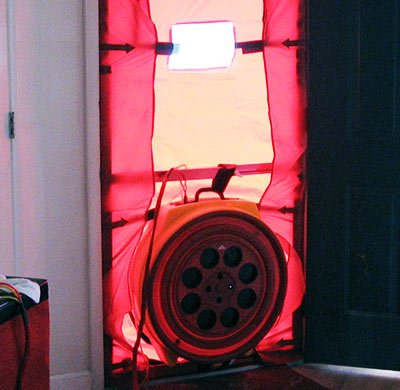
Reliable energy screening approaches, such as blower door tests and thermal imaging, play an essential role in identifying air leakages within a property. The blower door test includes pressurizing or depressurizing a structure to measure air movement and identify leaks. An adjusted follower is installed in an outside entrance, and the resulting pressure distinction highlights locations of unwanted air seepage. This approach evaluates the overall airtightness of the structure.Thermal imaging matches blower door examinations by aesthetically detecting temperature level variations on surfaces, exposing hidden air leaks. Infrared video cameras record warm loss or gain, enabling exact recognition of problem areas, such as badly shielded walls or gaps around home windows and doors. energy testing south carolina. With each other, these methods provide an extensive evaluation of a property's energy efficiency, enabling property owners to attend to air leakages efficiently and enhance overall performance
Benefits of Identifying Air Leaks
Determining air leakages provides considerable benefits for power effectiveness and interior convenience. By securing these leaks, structures can lower energy consumption, bring about lower energy bills and a minimized carbon footprint. Additionally, boosted airtightness adds to a more stable indoor setting, enhancing general comfort for owners.
Power Effectiveness Improvements
Spotting air leaks is necessary for improving energy efficiency in structures. Identifying these leakages allows building owners to deal with locations where conditioned air leaves or unconditioned air goes into, resulting in considerable power financial savings. By securing splits and gaps, buildings can maintain a regular temperature level, lowering the need on home heating and cooling down systems. This not only lowers power costs but additionally decreases the environmental effect connected with enhanced energy consumption. Additionally, power effectiveness improvements add to a building's total sustainability, making it an extra eye-catching alternative for eco-conscious customers or tenants. Ultimately, focusing on air leak detection and removal aids optimize power use, advertises responsible source monitoring, and sustains long-lasting economic advantages for homeowner.
Improved Indoor Convenience
Resolving air leaks not just causes energy savings yet additionally significantly boosts interior convenience. When air leakages important source are efficiently identified and secured, temperature level law within a home comes to be much more efficient. This results in constant indoor temperatures, removing chilly drafts in winter season and hot places in summer. Enhanced insulation also lowers sound pollution from outside, creating a quieter and more relaxed living atmosphere. In addition, enhanced air quality is achieved by minimizing the infiltration of exterior contaminants, irritants, and humidity, adding to the total health of passengers. Homeowners experience an even more enjoyable environment, fostering leisure and efficiency. Inevitably, correcting and identifying air leaks is essential for attaining optimal indoor comfort throughout the year.
Exactly How Power Testing Improves Comfort and Indoor Air Quality
Energy testing plays an essential duty in improving temperature policy within interior spaces, ensuring a constant and comfy setting. By recognizing and securing air leaks, it additionally greatly lowers the seepage of contaminants, therefore improving indoor air top quality. This double effect fosters total well-being for passengers.
Improved Temperature Law
Reliable temperature level regulation considerably contributes to both convenience and indoor air high quality, making it an essential focus for contemporary building style. Energy testing plays a crucial role in accomplishing this regulation by determining locations where go to these guys warm loss or gain takes place, enabling targeted enhancements. By ensuring an impermeable structure envelope, power testing helps preserve constant indoor temperature levels, minimizing the demand for too much home heating or air conditioning. This security enhances occupant comfort, as changes in temperature can bring about pain and dissatisfaction. Furthermore, efficient temperature control can boost interior air top quality by lowering the threat of condensation and mold and mildew growth, which flourish in uneven temperature conditions. For that reason, energy testing is necessary for maximizing temperature level administration in household and commercial residential properties.
Reduced Toxin Seepage
While lots of aspects contribute to indoor air top quality, lowered contaminant infiltration stands out as a vital aspect that energy screening can considerably enhance. Energy screening determines air leakages and weak points in a structure's envelope, which might enable outdoor pollutants, allergens, and dampness to go into indoor areas. By sealing these leaks, buildings can successfully limit air-borne contaminants, resulting in a healthier environment. Boosted airtightness not only boosts comfort but likewise minimizes the worry on heating and cooling systems, resulting in energy savings. Furthermore, reduced pollutant infiltration cultivates much better overall health for occupants, as cleaner air advertises respiratory system wellness and reduces allergic reaction signs and symptoms. Energy screening plays a pivotal role in producing both an energy-efficient and health-conscious living area.
The Financial Influence of Energy Testing on Energy Bills
Steps to Take After Power Testing Results
When energy screening outcomes remain in, homeowners ought to very carefully examine the findings to figure out the most efficient course ahead. The initial step includes determining the areas that require improvement, such as air leaks or insulation deficiencies. Property owners ought to then prioritize repairs based on the severity of the issues and their possible influence on power efficiency.Next, it is advisable to consult with professionals who specialize in power efficiency to devise a detailed action strategy. This may include options like securing gaps, adding insulation, or updating windows and doors.After applying the necessary Click Here adjustments, a follow-up energy test can establish the efficiency of the repair services. Continuous tracking is additionally vital to ensure that the building keeps its airtight status gradually. By following these actions, homeowners can greatly improve their residential property's energy efficiency, causing decreased utility costs and enhanced convenience.
Frequently Asked Inquiries
How Commonly Should I Conduct Energy Testing on My Residential or commercial property?
The regularity of power testing must generally be every couple of years, or following substantial remodellings. Regular evaluations aid determine effectiveness improvements and ensure that the residential or commercial property keeps ideal energy efficiency over time, adapting to transforming problems.
Is Energy Screening Necessary for New Constructions?
Energy screening is important for new building and constructions, as it identifies potential air leakage and insulation concerns - energy testing taylors sc. Carrying out these examinations warranties energy performance, boosts indoor comfort, and meets structure codes, ultimately leading to long-lasting cost savings
Can I Do Power Screening Myself?
Energy testing typically calls for customized tools and knowledge. While some home owners might try standard analyses, professional services assure precise outcomes and effective recognition of issues, eventually causing far better power efficiency and convenience in living rooms.
What Is the Expense of Expert Energy Testing Services?
The expense of expert energy testing services usually varies from $300 to $1,500, relying on residential or commercial property area, complexity, and dimension. House owners must think about possible energy cost savings when evaluating the investment in these solutions.
For How Long Do Energy Screening Results Normally Last?
Power testing results usually remain legitimate for one to three years, depending upon elements like structure modifications and ecological changes. Routine updates are suggested to guarantee precision and keep efficient power efficiency standards. Reliable energy testing approaches, such as blower door tests and thermal imaging, play a crucial duty in detecting air leaks within a residential or commercial property. Recognizing these leakages allows property proprietors to resolve areas where conditioned air leaves or unconditioned air goes into, leading to substantial energy savings. Power testing determines air leakages and weak factors in a structure's envelope, which may allow outside contaminants, irritants, and moisture to enter indoor spaces. As house owners significantly seek to minimize their power expenditures, the duty of power screening ends up being crucial in identifying leaks and ineffectiveness. House owners must after that focus on repair services based on the intensity of the problems and their possible influence on power efficiency.Next, it is a good idea to seek advice from with experts that specialize in energy efficiency to devise an extensive action plan.